Aeronautics
Boeing 737 MAX 10: What You Need to Know
4 min read

Love Aviation? Turn your passion into a career. Explore Aviation Maintenance Programs at AIM. Learn More
4 min read
By: Aviation Co.
The Boeing 737 MAX saga has been full of headlines, controversies, and lessons for the aerospace world, but the MAX 10 is quietly trying to rewrite that narrative. It’s Boeing’s largest narrow-body, designed for airlines that need more seats without moving to a widebody like the 787 Dreamliner.
Beyond the numbers and engineering tweaks, the MAX 10 is a statement: can Boeing prove it has learned from the past while staying competitive against Airbus’s A321neo?
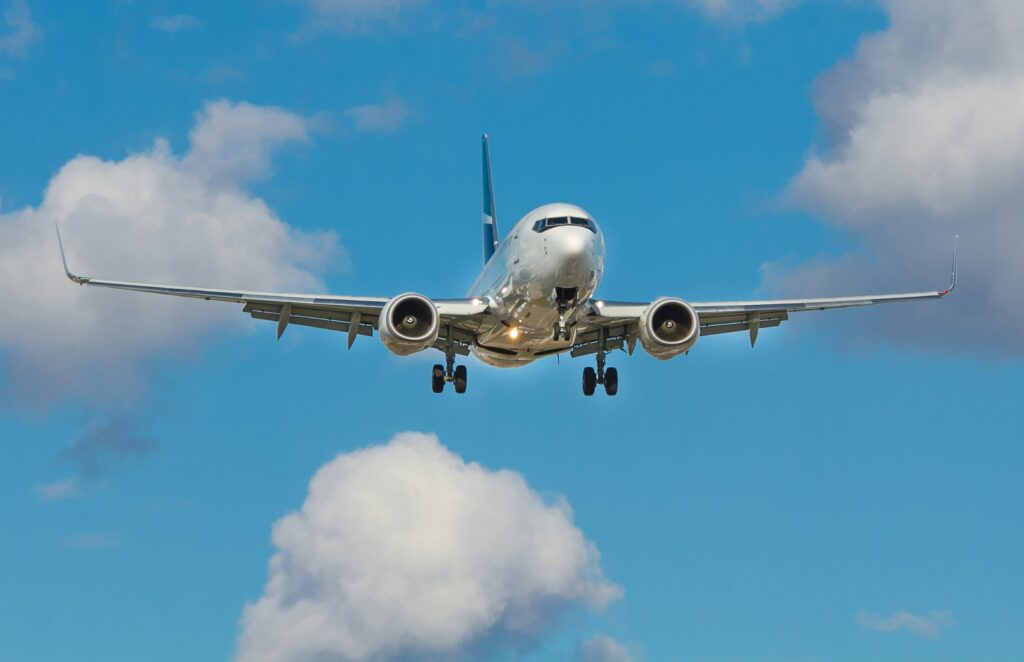
At first glance, the MAX 10 looks like an oversized sibling of the 737 MAX 8, but there’s more than just a stretched fuselage. The aircraft seats up to 230 passengers in a single-class layout, making it Boeing’s largest narrow-body yet. Its extended fuselage, revised landing gear, and modified winglets allow it to carry more without completely reinventing the airframe.
Here’s the kicker: to fit this longer aircraft on existing runways and gates, Boeing implemented a controversial door plug solution and tweaked the engine anti-ice system. Clever, yes — but every workaround demands constant scrutiny. It may work on paper, but engineers know the real challenge lies in ensuring operational reliability through rigorous testing and careful procedures.
Powering the MAX 10 are CFM International LEAP-1B engines, the same workhorses found across the 737 MAX family. Boeing touts improvements in fuel efficiency and range, which are key when competing against the A321neo for transcontinental and thin long-haul routes.
Yet even with these upgrades, Airbus holds the first-mover advantage. The MAX 10 is efficient, but does it have enough to sway airlines using Airbus fleets like United Airlines, American Airlines, or Ryanair? The next few years will tell.
No conversation about Boeing today is complete without mentioning the FAA and the shadow of the MAX 8 grounding. The Federal Aviation Administration has been cautious with flight testing and type certification, and the MAX 10 navigated a maze of exemptions to meet operational limits. Boeing insists the aircraft is fully safe, but every additional MAX variant invites scrutiny. For the MAX 10, the stakes are high: failure is not just financial, it’s reputational.
Despite scrutiny, Boeing’s order backlog for the MAX 10 is substantial. Alaska Airlines, United Airlines, and WestJet are among the carriers betting on it, while Ryanair plans to leverage its single-aisle efficiency for dense European routes. Boeing’s Renton production line is ramping up carefully, mindful of past delays. The MAX 10 is a critical piece in Boeing’s strategy to defend its narrow-body crown against Airbus.
From a passenger perspective, the differences are subtle but meaningful. Wider overhead bins, reconfigured cabin layouts, and modern winglets improve comfort and boarding efficiency. Still, the MAX 10 will never compete with the spaciousness of a Boeing 787 or 777, and it doesn’t need to. Its strength lies in short-to-medium haul efficiency, slot-friendly single-aisle performance, and turning everyday flights into cost-effective trips for airlines.
The MAX 10 is more than just the longest 737 ever built. It’s Boeing staking a claim in a niche where Airbus has been dominant for years. The aircraft represents a compromise between ambition and caution: a stretched airframe, clever systems tweaks, and the promise of efficiency, all while operating under FAA scrutiny. For airlines, it’s an attractive way to move more passengers without stepping into widebody territory. For Boeing, it’s a test of whether the company has truly moved past the MAX 8 controversies.
In the ongoing Boeing vs. Airbus battle, the MAX 10 is neither a revolution nor a liability; it’s a calculated gamble. Its success will shape the next decade of single-aisle operations, determining how efficiently airlines move passengers and how Boeing positions itself in a highly competitive market.
The MAX 10 reflects broader trends in aviation. Airlines want flexibility, airports need slot-friendly designs, and engineers are tasked with maximizing efficiency without sacrificing safety. As the MAX 10 enters service, it’s a reminder that innovation in aviation isn’t always flashy; sometimes it’s measured in millimeters, engine tweaks, and the careful balance between capacity and compliance.
For anyone following the future of narrow-body jets, the MAX 10 is worth watching. Its performance, adoption, and reliability will influence airline strategies, fleet decisions, and how Boeing competes against Airbus for years to come.
Do you think Boeing’s 737 MAX 10 can help the company reclaim its narrow-body market share from Airbus? Dive into discussions like this on The Aviation Co., a space for aviation lovers, frequent flyers, and pros to connect.
© 2025 aviation.co All rights reserved.