Innovation
How eVTOL Aircraft Will Transform Cities
6 min read

6 min read
By Evie Carrick
The future of commuting might look a lot like sci-fi—think flying cars powered by electricity, not jet fuel. These electric vertical takeoff and landing aircraft (known as eVTOL aircraft) are already in development and are much quieter than helicopters, thanks to battery and hybrid-electric propulsion systems.
It sounds futuristic, but eVTOL technology is already here—and moving quickly. In October 2024, the FAA named powered lift aircraft, including eVTOLs, as a top priority.
“Powered lift aircraft are the first new category of aircraft in more than 80 years, and this historic rule will pave the way for accommodating wide-scale Advanced Air Mobility (AAM) operations in the future,” Mike Whitaker, the FAA Administrator, said.
So, what is an eVTOL—and how does it fit into the FAA’s Advanced Air Mobility ecosystem and plans? Let’s break it down.
eVTOL stands for Electric Vertical Takeoff and Landing. These aircraft lift off like helicopters but fly like planes, combining vertical lift with forward flight—and all powered by electricity.
eVTOL aircraft also fall under the broader umbrella of Advanced Air Mobility (AAM), the Federal Aviation Administration’s term for highly automated, electric aircraft designed to operate in new and often underserved airspaces.
AAM’s goal is to create a new layer of air transportation—one that moves people and cargo across local, regional, and urban areas in faster, more flexible ways than traditional aviation.
For this article, we’ll refer to these electric vehicles and aircraft simply as eVTOLs.
There are three companies leading the charge in eVTOL development: Joby Aviation, Archer Aviation, and Vertical Aerospace. Each company has hit key certification milestones as they move closer to commercial launch.
Joby Aviation
Joby Aviation has been in the eVTOL game from the beginning—experimenting with electric motors in 2009 and flying its first eVTOL prototype by 2015. (eVTOL aircraft hit the spotlight in 2009, when NASA’s Puffin concept went viral). Backed by major players like Toyota and Uber, the company has strategic partnerships with NASA and Delta Airlines. Leading the pack in FAA certifications and test flights, Joby Aviation was also the first eVTOL company to earn airworthiness approval from the U.S. Air Force and is leading the way in flight testing.
Archer Aviation
Archer Aviation is racing toward commercial eVTOL, with plans to launch electric air taxi services in multiple cities within this year and next. The California-based company counts United Airlines and Stellantis as its partners, and it’s already completed successful test flights of its flagship electric aircraft, Midnight. With the FAA certification process in progress, Archer Aviation is positioning itself as a key player in short-haul urban air mobility.
Vertical Aerospace
Vertical Aerospace is developing a four-passenger eVTOL called the VX4. Headquartered in the United Kingdom, the startup is focused on efficient, zero-emission air travel for short city-to-city routes. It’s backed by aviation heavyweights like Honeywell and Rolls-Royce, and it’s secured pre-orders from American Airlines and Virgin Atlantic.
eVTOLs could do more than change how we fly—they might reshape how we live in cities and solve urban air mobility. Think faster commutes, quieter skies, and cleaner transportation.
New, faster commutes
There’s a reason the FAA calls eVTOLs “air taxis.” These vertical landing aircraft are built for short hops—no runway needed—and they’re poised to change the way people move from Point A to Point B.
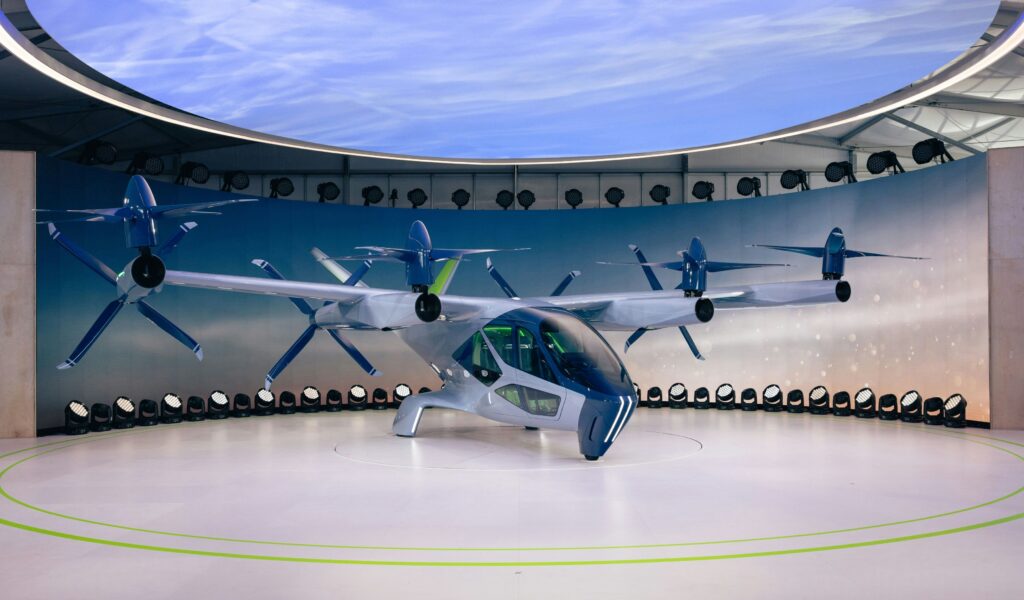
They’re ideal for dense urban areas, where they can swap tarmacs for rooftops and heliports for vertiports. They could help ease traffic and offer a quicker, less crowded way to get around. Different eVTOL configurations—from tiltrotors to multicopters—are being tested to determine what works best for urban travel.
More versatile emergency services
Nimble and aerodynamic, eVTOLs are a great fit for emergency services. In flight, they can operate in tight spaces and remote terrain, offering a quieter, cleaner alternative to helicopters for medevac and disaster response. Like helicopters, they don’t need long runways. But unlike helicopters, eVTOL aircraft are quieter, cleaner, and likely cheaper to operate. From short city hops to medical evacuations, eVTOLs have a wide range of use cases across urban, regional, and emergency transport.
Autonomous potential
Built with high levels of automation, many eVTOLs require less manual control than traditional aircraft—and could eventually fly without pilots. Many models already require less manual control than traditional helicopters or airplanes, thanks to highly automated avionics and flight control systems.
In 2024, the FAA introduced new pilot certification standards, signaling a big shift in how we train and manage flight crews for these aircraft. This regulatory framework marks a major shift in how these aircraft will be operated and certified. These standards signal a broader shift in how aviation professionals will operate, maintain, and oversee this new generation of electric aircraft.
Less noise, more advanced air mobility
Helicopters are loud. eVTOLs aren’t.
Thanks to electric motors powered by high-energy-density batteries and hybrid-electric systems, it’s a cleaner, calmer approach to flight. And unlike traditional helicopters, eVTOLs often use multiple smaller rotors, which helps reduce noise and improve efficiency. Translation? They are a more neighborhood-friendly option to air mobility.
Better for the environment
eVTOLs aren’t just quieter—they’re cleaner. Electric propulsion means lower emissions, less fuel use, and a more sustainable way to fly.
eVTOLs aren’t just a futuristic idea—they’re a fast-moving solution to real urban transportation challenges. Backed by industry giants and supported by new FAA regulations, these electric aircraft are poised to shape how we move through our cities, respond to emergencies, and reduce our environmental footprint. The technology is here. The infrastructure is coming. And the sky? It’s about to get busier—and more efficient.
The future of flight starts with informed voices. Join Aviation Co and be part of what’s next.
© 2025 aviation.co All rights reserved.