Careers
Inside the Life of an A&P Mechanic in 2025: Education, Innovation, and Trends
5 min read

Love Aviation? Turn your passion into a career. Explore Aviation Maintenance Programs at AIM. Learn More
5 min read
By: Aviation Co.
Deric Hart’s day starts at 4:30 a.m., long before the first student walks into the Aviation Institute of Maintenance (AIM) Atlanta. He ensures materials are prepped, practical projects are organized, and instructors are ready to teach. As Assistant Program Coordinator at the Aviation Institute of Maintenance (AIM) Atlanta, he bridges FAA standards, faculty, and students, stepping into classrooms whenever needed. For him, the goal is simple: students need to understand why, not just what, behind every maintenance procedure.
Becoming an A&P mechanic has always been a blend of precision, responsibility, and pride. In 2025, that blend is evolving faster than ever, fueled by emerging technology, shifting industry needs, and new expectations for soft skills. The change isn’t just about tools and techniques—industry-wide workforce shortages are creating unprecedented opportunities for skilled mechanics ready to step in and keep aircraft flying.
We spoke with two educators shaping the next generation of A&P mechanics: Deric Hart, who orchestrates the behind-the-scenes operations that make these careers possible, and Tom Eaton, an experienced A&P mechanic and instructor who trains students for real-world maintenance careers.
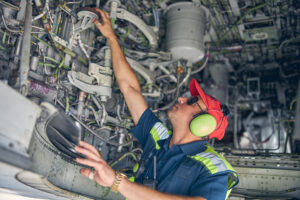
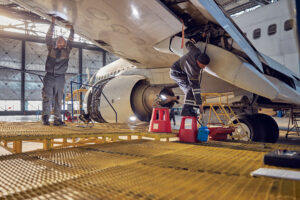
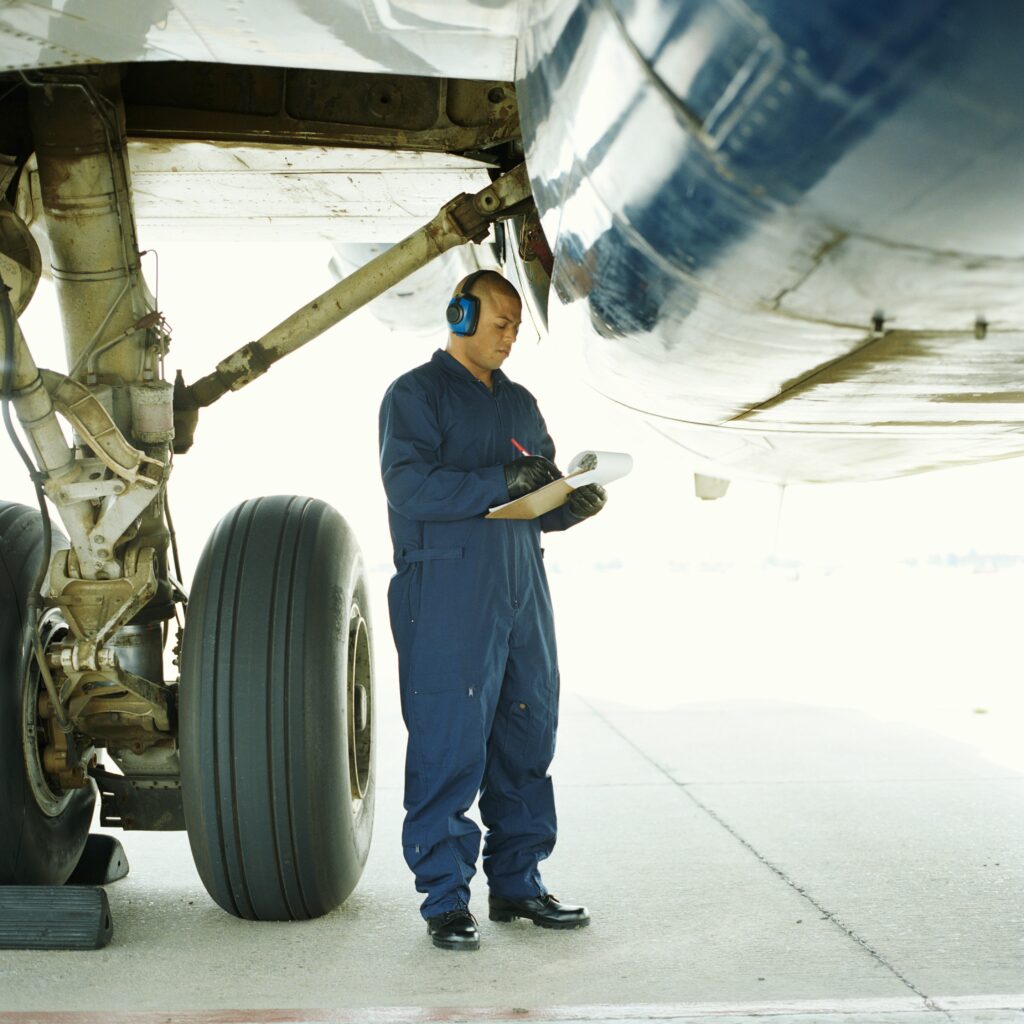
Tom starts his day early, preparing the hangar and reviewing lesson plans before students even arrive. His schedule is split between classroom instruction and hands-on lab work, guiding students through tasks like troubleshooting electrical systems or performing 100-hour inspections. Throughout the day, he balances technical demonstrations, safety oversight, and mentorship, all while keeping the curriculum aligned with the latest FAA regulations.
Both Deric and Tom approach their work with a balance of old-school skill and modern adaptability.
“Aircraft aren’t static; they demand mechanics who evolve as fast as the technology does,” Hart said. “Students must shift from traditional wrench-and-torque mechanics to a hybrid of digital diagnostics, real-time decision support, and safety-first teamwork culture.”

In 2025, A&P work is increasingly technology-driven, with digital manuals, tablet-based inspections, AR/VR training, and predictive analytics for engine life. Sustainability is another focus: mechanics are increasingly trained on hybrid-electric propulsion, alternative fuels, and more efficient airframe designs.
Tom noted that the role of the A&P has expanded beyond the tools themselves.
“You’re expected to be proficient with electronic troubleshooting, composite repair, avionics integration, and Safety Management Systems (SMS),” Tom said. “Communication, teamwork, and documentation are just as important as technical ability.”
Deric framed this evolution as a mindset shift: “It’s not just adopting new tech—it’s adopting a new way of thinking. Students must respect traditional skills but embrace predictive maintenance tools, AR/VR training, and emerging analytics. That’s how you stay sharp and valuable.”
Bridging the gap between classroom training and real-world operations is one of the biggest hurdles. Time pressures, regulatory compliance, and rapid tech evolution make the transition intense for new mechanics. Tom emphasizes teaching critical thinking over memorization and simulating real-world shop conditions so graduates leave with practical habits and confidence.
For Deric, another challenge is showing younger generations the value of the craft.
“This career isn’t glamorized like influencer culture, but it’s invaluable: it feeds your family, sharpens your mind, and gives you the visceral pride of watching your work take flight,” he said, noting that humor, humility, and mentorship are his go-to tools for motivating students of all ages.

Both Tom and Deric stress that the career rewards those willing to commit.
“Treat every job like it’s going on the aircraft you or your family will fly on,” Tom said. “Be meticulous, adaptable, and never stop learning.”
Deric agreed, making a note that it’s a career that is continuously evolving:
“Stick close to experienced A&Ps—they’ve seen it all and can teach tricks manuals won’t,” he said. “Embrace both old-school hands-on skills and new tech. The field never stops evolving, so stay hungry: ask questions, get your IA when you can, and keep up with FAA updates and emerging tech. You could pioneer the next maintenance breakthrough, or just master the timeless art of keeping birds in the sky.”
The payoff is real: high-paying, globally recognized certification, job security, and the satisfaction of seeing your maintenance expertise make a real impact in aviation.
A&P maintenance isn’t for the faint of heart. It requires grit, curiosity, and dedication, but the benefits are clear: high-value certification, career stability, and hands-on expertise.
You can kickstart your aviation career by exploring FAA-approved A&P schools and programs, such as the Aviation Institute of Maintenance, one of the largest accredited networks of aircraft maintenance technician schools. From day one, seek out opportunities to shadow experienced A&Ps and instructors. Watching a seasoned mechanic troubleshoot an electrical fault or integrate avionics systems offers insights no manual can match.
As you train, build a strong foundation in both traditional and modern skills. Master wrenches and torque tools, but also learn diagnostic software, AR/VR simulations, and digital documentation systems. Even career-adjacent projects, like restoring a classic car or assembling electronics, can sharpen your precision and problem-solving instincts.
Equally important is learning the regulatory side. Familiarize yourself with FAA Part 65 and develop habits for meticulous recordkeeping—these skills will follow you into every hangar and inspection bay. In this field, mastering both the “why” and the “how” will set you apart, ensuring you’re ready to adapt as aircraft technology continues to evolve.
Join The Aviation Co. to connect with experienced A&Ps, instructors, and aviation professionals.
© 2025 aviation.co All rights reserved.