Industry
Which Airlines Use Airbus? What Fleet Choices Say About the Future of Aviation
7 min read

Love Aviation? Turn your passion into a career. Explore Aviation Maintenance Programs at AIM. Learn More
7 min read
By: Aviation Co.
Forget the job boards — the real career intel is sitting on airport ramps. Every aircraft you see represents billions in strategic bets, and those decisions will make or break your next career move. When airlines choose Airbus over Boeing, they’re not just buying planes. They’re rewriting the playbook for who gets hired, what skills matter, and which type ratings will actually pay your bills.
Here’s our hot take: Airbus isn’t just competing anymore; they’re winning. And when it comes to Airbus, nearly every airline has them in the fleet. Low-cost players like easyJet and Wizz Air, legacy carriers like Lufthansa and Air France, and even global icons like Singapore Airlines all rely on Airbus planes. And if you’re smart about your career, you’ll pay attention to where this momentum is heading.
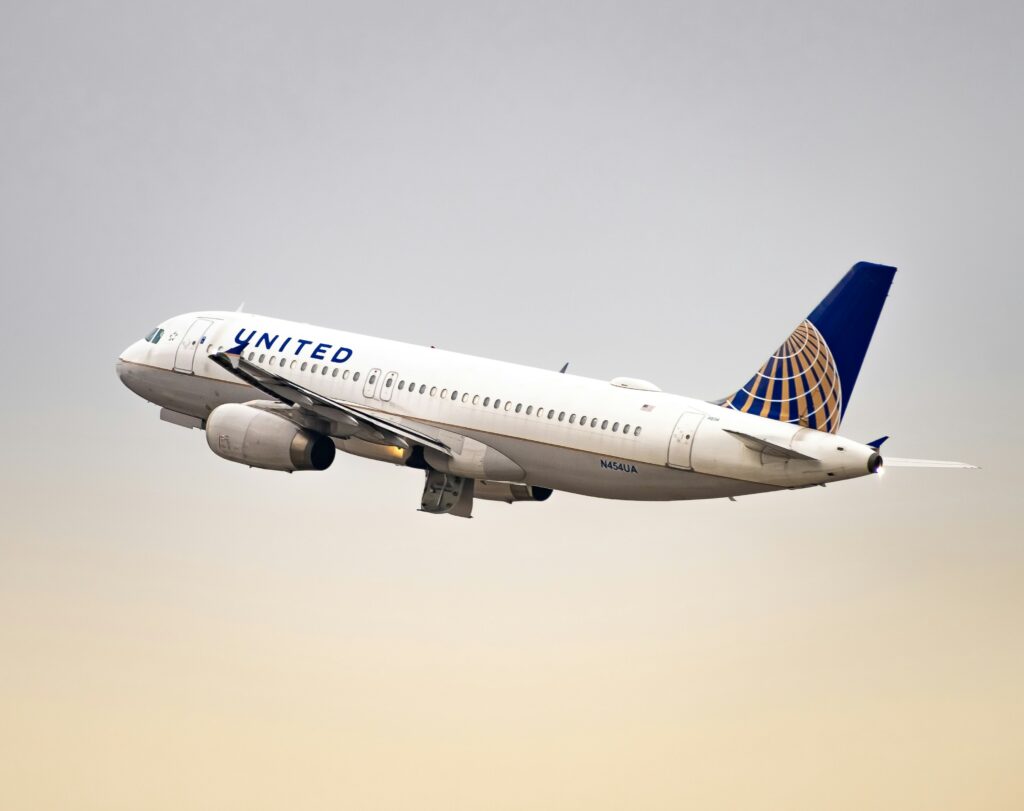
Walk through any airport and count the A320 family aircraft. You’ll lose count before you reach your gate. There’s a reason for that: the A320neo isn’t just an aircraft — it’s a money-printing machine that’s reshaped how airlines think about short-haul operations.
Airlines like easyJet, JetBlue, and AirAsia didn’t stumble onto success. They built their entire business models around what the Airbus A320 family delivers: unmatched fuel efficiency, lightning-fast turnarounds, and the flexibility to make thin routes profitable. When you see a Wizz Air A320neo, you’re looking at a calculated move against legacy carriers who still think hub-and-spoke is the only way to compete.
IndiGo proves the point perfectly. They’ve become the world’s largest A320 operator by refusing to overthink it: pick one aircraft family, master its economics, and scale relentlessly. That’s not luck. That’s strategy executed with precision.
A320 type ratings have become the Swiss Army knife of pilot credentials. While Boeing 737 experience still matters in certain markets, A320 experience opens doors that other narrow-body commercial aircraft ratings simply don’t, whether you want to fly budget routes across Europe or build time toward a legacy carrier.
The wide-body game is where things get interesting, and frankly, where Boeing should be worried. The A330 built its reputation as the reliable workhorse, and Delta, Turkish Airlines, and Aer Lingus prove you can build profitable long-haul networks without breaking the bank. But here’s what’s fascinating: while everyone expected the A330 to fade away, it’s adapting instead. Cargo conversion programs and continued transatlantic service show this aircraft refuses to die quietly.
The Airbus A350, though? That’s Airbus throwing down the gauntlet against Boeing’s widebody aircraft dominance. When Singapore Airlines commits to A350s for their ultra-long-haul routes, or Qatar Airways builds their premium strategy around A350 efficiency, they’re making a statement: Boeing’s 787 and 777 control over the widebody market isn’t guaranteed anymore.
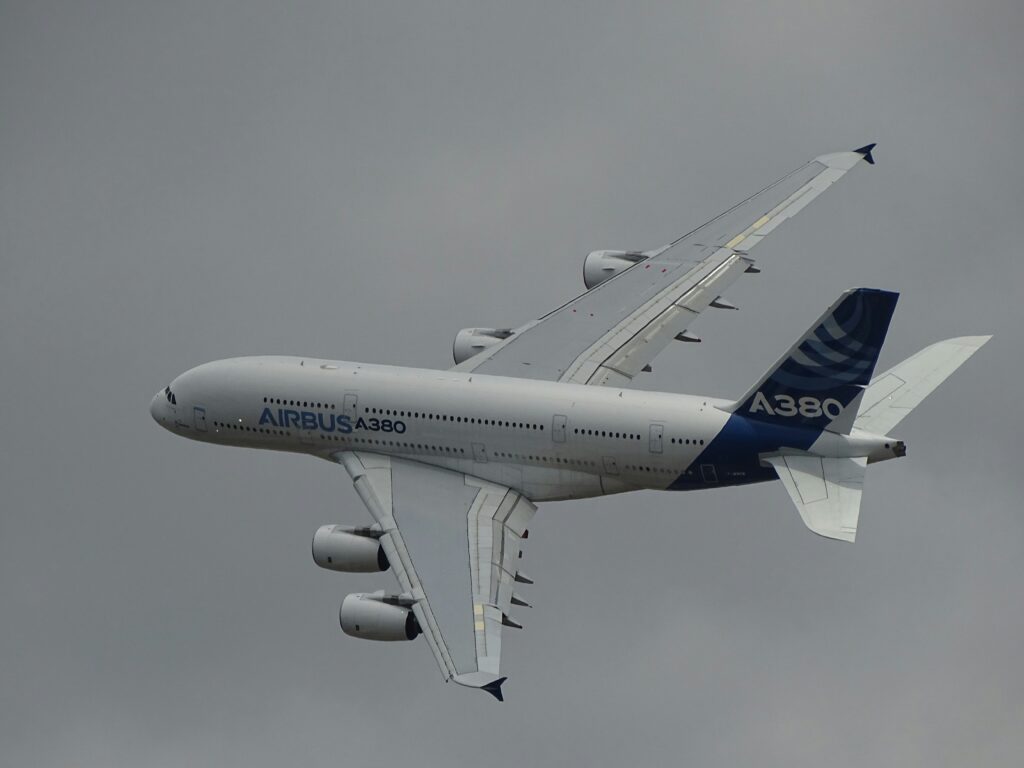
And while the Airbus A380’s production ended, Emirates and Singapore Airlines still use these giants to own premium routes in ways smaller commercial aircraft simply cannot match. The A380 remains the ultimate statement piece in any airline’s Airbus fleet. Sometimes bigger really is better.
Airbus A350 experience is becoming the gold standard for long-haul pilots who want to work for the world’s best carriers. While Boeing 787 experience remains valuable, A350 training represents betting on the future of widebody aircraft operations.

Here’s something the industry doesn’t talk about enough: where you live largely determines which aircraft you’ll fly, and that shapes your entire career trajectory.
Europe is Airbus territory, period. Lufthansa, Air France, and British Airways — they’ve built their operations around Airbus efficiency and aren’t looking back. If you’re training in Europe, you’re training in an Airbus world.
The U.S. remains stubbornly Boeing-loyal, with the Boeing 737 dominating domestic routes thanks to decades of industrial policy and lobbying muscle. But even here, cracks are showing. JetBlue and Frontier Airlines prove American carriers can succeed with Airbus aircraft when the economics make sense over traditional Boeing aircraft.
Asia is the real battleground. China Southern and Singapore Airlines are doubling down on Airbus, while Japanese carriers cling to Boeing relationships. The Middle East tells the most interesting story: Qatar Airways and Etihad embracing A350 operations while Emirates balances A380 prestige with Boeing 777 practicality.
Every aircraft order is a public declaration of strategic intent, and you can read airline strategies like an open book if you know what to look for.
When airlines choose A321neos for thin long-haul routes, they’re making precise calculations about efficiency over capacity. When JetBlue selects the Airbus A220, they’re betting on regional growth with mainline economics. These aren’t random decisions; they’re surgical strikes against specific market opportunities using the right Airbus planes for each mission.
Risk management drives more decisions than airlines admit publicly. As Boeing navigates ongoing program challenges, carriers are hedging with Airbus orders to ensure delivery reliability. Others maintain mixed fleets as insurance policies, but that strategy has costs: training complexity, maintenance headaches, and operational inefficiencies.

As Boeing navigates ongoing program challenges, carriers are increasingly betting on Airbus for fleet stability and growth. While United Airlines and Alaska Airlines maintain Boeing aircraft, the larger trend is unmistakable: global airlines are leaning on Airbus to secure operational consistency, long-term reliability, and competitive advantage.
Europe and Asia are clear battlegrounds where Airbus’ dominance is reshaping airline strategy. IndiGo leads as the largest operator of the A320 family, while the A350 is rapidly becoming a staple for global flag carriers seeking long-haul efficiency and premium service. With fuel costs and emissions under scrutiny, Airbus is more than just competing — it’s reshaping the landscape for the next era of aviation.
Let’s cut to the chase: Airbus momentum means career momentum for professionals who position themselves correctly. A320 and A350 type ratings aren’t just pilot credentials — they’re passports to global opportunities.
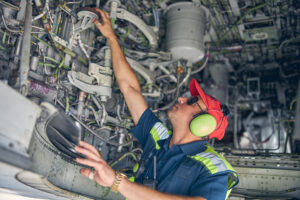
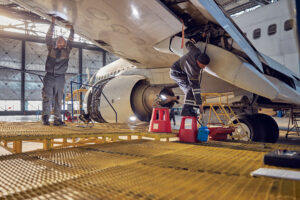
Maintenance technicians with Airbus systems expertise can write their own tickets across continents. Engineers with A350 experience become instantly valuable as airlines expand long-haul networks. Even ground support roles benefit from Airbus standardization; when airlines operate single aircraft families, operational roles become more transferable and valuable.
The trend extends beyond technical positions. As Airbus-heavy carriers like easyJet and Singapore Airlines expand globally, they need professionals who understand their operational philosophy. That creates opportunities in management, operations, training, and support roles that didn’t exist when fleets were fragmented across multiple manufacturers.
Aircraft orders reveal airline confidence better than any earnings call. When you see carriers committing billions to specific aircraft families, they’re betting on route networks, passenger demand, and operational strategies that will define the next decade.
Airbus’s growing order book isn’t just about building better planes; it’s about understanding what airlines actually need: fuel efficiency, operational flexibility, and the ability to serve diverse route networks profitably. Boeing’s challenges have created openings, but Airbus is winning by execution, not just by default.
For your career, this means following the money. Where airlines invest heavily in specific aircraft types, specialized job opportunities follow. The carriers making smart fleet decisions today are positioning themselves for growth tomorrow, and that growth creates career opportunities for professionals who position themselves correctly.
Track aircraft orders like stock prices. They reveal which airlines have confidence in their strategies and which are hedging their bets. Your career success depends on joining organizations that make bold, intelligent decisions about their futures.
If you had to pick, would you build your career around Airbus or Boeing — and why? Dive into discussions like this on The Aviation Co., a space for aviation lovers, frequent flyers, and pros to connect.
© 2025 aviation.co All rights reserved.