Aeronautics
Flying the Piper Cherokee: Why It’s Still a General Aviation Icon
7 min read

7 min read
By: Aviation Co.
With more than 30,000 units built since the early 1960s, the Piper PA-28 Cherokee isn’t just any airplane—it’s the backbone of general aviation training in the U.S. and beyond. If you’ve spent any time in general aviation, you’ve likely flown a Piper Cherokee, trained in one, or seriously considered buying one.
From the forgiving Cherokee 140 to the cross-country-capable Dakota, this family of single-engine, low-wing, four-seat aircraft continues to log hours in flight schools, on backcountry strips, and in countless private hangars.
Even as regulations and evolving aviation standards put pressure on older aircraft, the Cherokee remains a steadfast presence in the skies. But what’s kept the Cherokee flying high all these years, and what challenges does it face today? Let’s take a closer look.
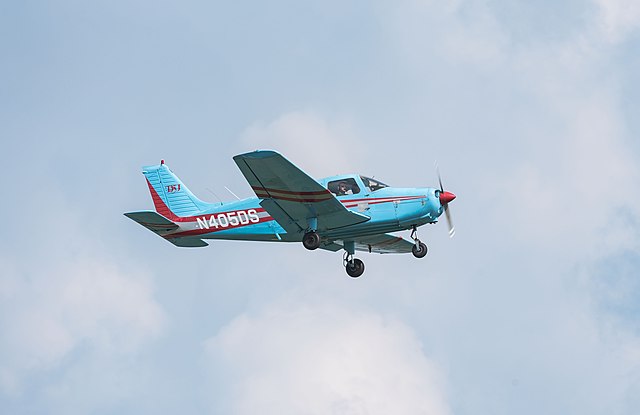
When Piper introduced the Cherokee, it marked a pivotal point in general aviation. The low-wing, tapered wing, and tricycle landing gear design diverged from older taildraggers, such as the Tri-Pacer, offering better ground handling and a gentler learning curve for student pilots. This more accessible platform helped make flying less intimidating and more attainable.
Its cockpit evolved alongside technological advances, moving from basic analog gauges to modern instrument panels featuring Garmin GPS, glass displays, and autopilots capable of IFR flights. That adaptability, combined with straightforward flying characteristics, makes the Cherokee a machine thousands of pilots still trust to earn their wings.
The Cherokee’s value isn’t just in how it flies, but in how it teaches. Across models, the Piper PA-28 line offers a natural learning progression. Students might start in a Cherokee 140 or 180, then move up to more advanced variants like the Piper Archer, Dakota, or Piper Arrow, all within a consistent airframe and cockpit layout.
And that continuity matters. It builds confidence, reinforces muscle memory, and lets pilots focus on mastering new skills instead of relearning a new aircraft from scratch.
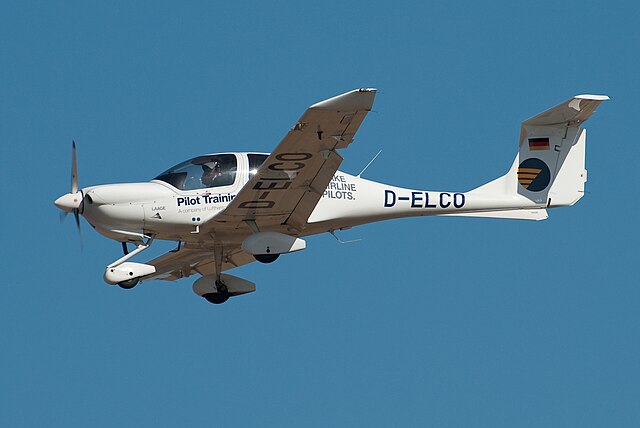
Modern trainers like the Cirrus SR20 or Diamond DA40 may dazzle with tech, but they often break that progression path. Their systems, cost, and performance profiles can create steep learning curves for new aviation students. In contrast, the Cherokee’s modular, pilot-centered design helps develop better aviators—not just better passengers of automation.
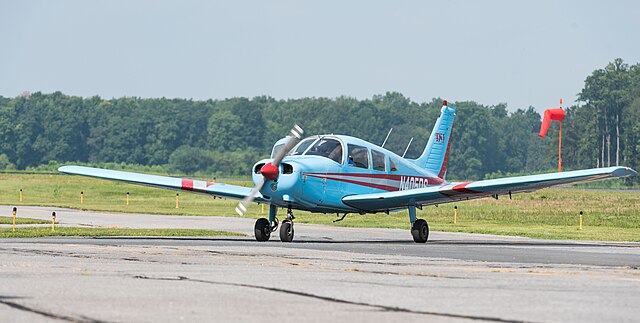
The Cessna 172 often gets the spotlight as GA’s most popular trainer, but the Cherokee deserves equal credit. Its low-wing layout offers better visibility above and more convenient fueling access than the high-wing Cessna. While the Cessna often outperforms in short-field takeoffs, the Cherokee’s stable feel in turbulence and superior crosswind handling make it the better choice for many pilots.
Add to that the Cherokee’s predictable stall characteristics and responsive nosewheel steering, and you’ve got a remarkably forgiving plane, qualities that can make or break the early flight training experience. Its useful load, typically between 900 and 1,100 pounds depending on the model, also contributes to its versatility.
It’s easy to assume that aging aircraft can’t keep up with modern demands. But thanks to upgrades like the Garmin G3X Touch and GNS 430, many Cherokees are now fully equipped for both VFR and IFR operations in today’s complex airspace. Updated autopilot systems, ADS-B compliance, and integrated traffic and weather displays are increasingly common—bringing these classics firmly into the 21st century.
Despite its decades-old design, the Cherokee’s fuselage and airframe have stood the test of time. Routine maintenance and FAA-mandated inspections help ensure these aircraft remain safe and reliable. That said, the FAA continues to monitor structural integrity with directives like the 2024 AD on wing spar inspections and a recent rudder post replacement mandate affecting thousands of Cherokees. Fortunately, parts for these aircraft remain widely available—especially for common engines like the Lycoming O-360 and O-540—making it easier for owners to keep their planes flying safely and consistently.
That being said, the Piper Cherokee isn’t without its modern-day challenges. As the general aviation fleet continues to age, the Cherokee (like many legacy aircraft) faces increasing scrutiny around airworthiness, parts availability, and long-term sustainability. Here are a few of its current challenges.
Many Cherokees flying today are 40–50+ years old, and time takes its toll. FAA Airworthiness Directives, like 2020-26-16, which require wing spar inspections after a fatal failure, highlight the structural risks of aging airframes. These mandatory checks can be costly and have caused some flight schools to reconsider the Cherokee in their fleets.
As the aircraft age, maintenance demands increase—not just due to airframe fatigue, but because older systems and components often need complete overhauls or upgrades. While parts are still relatively accessible for the O-360 and O-540 engines, labor costs and downtime can make ownership less appealing for budget-conscious pilots.
In some regions, such as Europe and parts of California, older aircraft are subject to stricter noise and emissions regulations. Although the Cherokee’s engines are generally reliable and efficient for their class, they don’t meet the latest environmental standards, potentially limiting where and when the aircraft can be flown in the future.
Newer models from manufacturers like Diamond (DA40) and Cirrus (SR20) offer modern safety features like ballistic parachutes, crashworthy seats, and fully integrated glass cockpits, which are features that appeal to younger pilots and flight schools targeting tech-savvy students. While retrofitted Cherokees can compete on avionics, they can’t match the built-in safety systems or aerodynamic efficiencies of modern composite aircraft.
While Piper (like other aircraft manufacturers) used Indigenous names such as “Cherokee” to evoke attributes like resilience and tradition, public awareness and sensitivity around naming conventions have evolved in recent years. To date, there have been no formal objections to the use of “Cherokee” for Piper’s aircraft, but the broader cultural conversation continues to develop.
The Piper Cherokee may not be the flashiest plane in the hangar, but its legacy is hard to ignore. For decades, it’s been the first plane many pilots ever flew, the backbone of flight schools, and the weekend warrior for countless cross-country adventures.
At a time when flying is getting pricier and training aircraft are in short supply, the Cherokee still checks all the right boxes: capable, comfortable, and cost-efficient. With predictable handling and solid performance wrapped in a timeless design, it remains a favorite of students and seasoned aviators alike.
Its longevity proves that innovation isn’t always about flashy new tech—it’s often about smart, proven design executed well and supported by a dedicated community.
As electric aircraft enter the training market and safety standards continue to evolve, the question isn’t whether the Cherokee is a good airplane—it’s whether it can stay competitive.
With the right upgrades, such as modern avionics, engine overhauls, and compliance with updated regulations, the Cherokee can continue serving pilots for years to come. But without reinvestment, some flight schools may prioritize newer aircraft that better align with today’s student expectations and operational efficiencies.
Flying a Piper Cherokee isn’t just about getting from point A to B—it’s about stepping into a lineage that’s helped shape general aviation for generations. From the ever-reliable PA-28 Warrior to the more powerful Dakota, the Cherokee line has become synonymous with versatility, durability, and approachability. With rock-solid construction, modern avionics options, and handling that builds confidence in the cockpit, the Cherokee continues to earn its stripes as a trusted companion in the sky.
If you had to choose between a Cherokee and a Cessna 172, what’s your pick, and why? Dive into discussions like this on The Aviation Co., a space for aviation lovers, frequent flyers, and pros to connect.
© 2025 aviation.co All rights reserved.