Aeronautics
8 Ultralight Aircraft You Can Fly Without a License
6 min read

Love Aviation? Turn your passion into a career. Explore Aviation Maintenance Programs at AIM. Learn More
6 min read
By: Aviation Co.
If you want hands-on flying experience without committing to a full pilot’s license, ultralights are the smartest shortcut in aviation. Operated under FAA Part 103 rules, these aircraft are lightweight, surprisingly easy to handle, and don’t require a pilot certificate. And, they teach skills that many traditional flight schools can’t replicate as efficiently.
From nimble fixed-wings to powered parachutes, ultralights put you in control fast: no license, no endless classroom hours, just flying. Safety stays front and center, but the learning is real from day one.
If you’re serious about building foundational skills in the air, these eight ultralight aircraft stand out as the best choices, whether you’re a first-timer or aspiring ultralight pilot.
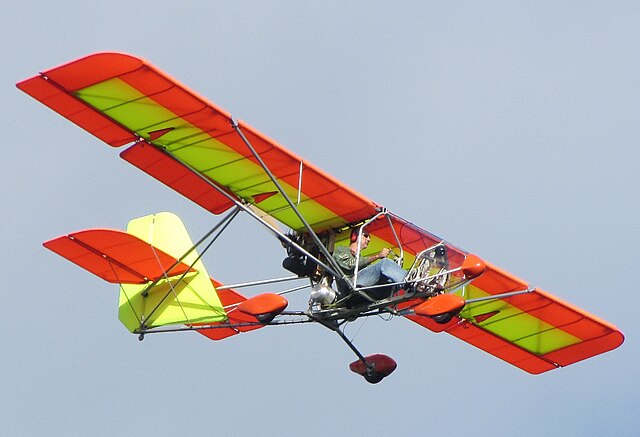
Topping the list is the Aerolite 103, which is widely regarded as the benchmark for ultralight flying. Weighing in under 254 pounds with a stall speed around 28 knots, this fixed-wing aircraft delivers unmatched stability and control for beginners.
If you want to master stick-and-rudder flying without the noise of complex systems, the Aerolite 103 delivers. It’s simple, reliable, and teaches you skills you’ll carry into any cockpit. The Aerolite 103 doesn’t coddle you with fancy avionics or autopilot crutches. It teaches you to fly.
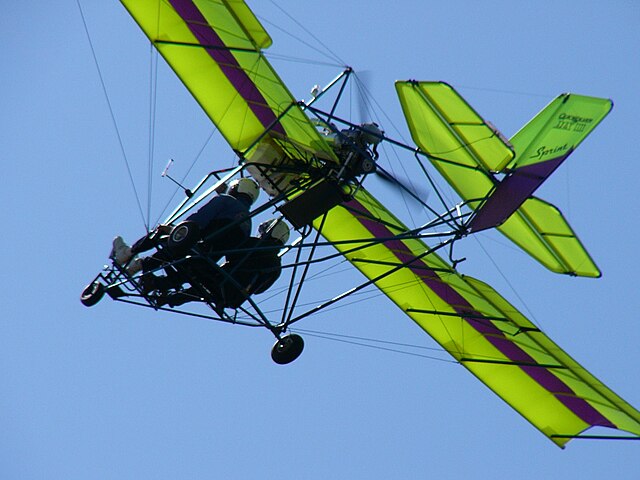
Two seats don’t have to mean twice the complexity. Often flown solo under Part 103 rules, this ultralight trike is predictable, responsive, and perfect for short recreational flights. Most pilots overcomplicate their first flying experiences. The MX II cuts through that noise.
Its handling inspires confidence, making it a favorite for pilots who want to focus on flight fundamentals without the headaches of complex systems. You’ll learn weight-shift control faster in this trike than in any classroom.
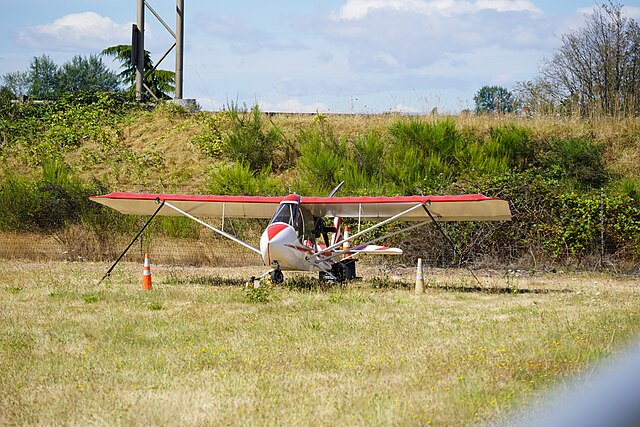
If you want to fly a trustworthy, no-nonsense ultralight, the Challenger II is a great choice. Its forgiving stall characteristics and straightforward landing gear strike the ideal balance between safety and performance. This fixed-wing option is reliable, consistent, and one of the first aircraft that instructors recommend to new ultralight pilots who value smooth learning curves. In an industry that tends to overcomplicate things, the Challenger II proves that sometimes the best technology is often the simplest and most reliable.
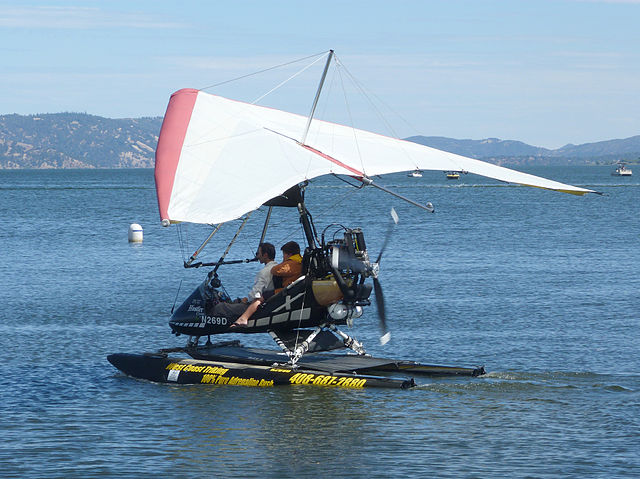
The Airborne Edge shows why weight-shift trikes matter in modern aviation training. Intuitive controls, rapid assembly, and a light aerodynamic frame make it perfect for low-altitude sightseeing flights.
If you prioritize hands-on flying and responsiveness, you will appreciate how seamlessly it translates your input into a smooth, controlled flight.
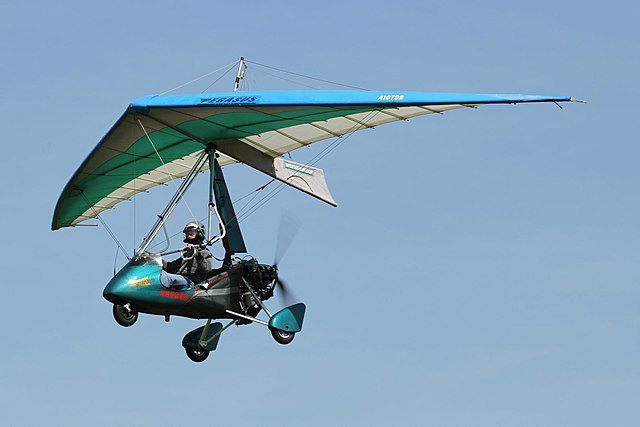
The Pegasus Quantum isn’t for everyone, and that’s exactly why it stands out. This single-seat microlight is agile, lightweight, and built for efficiency, qualities that matter more than flashy avionics or oversized engines.
If you’re a beginner seeking a performance-driven ultralight experience, you’ll find the Pegasus Quantum to be the perfect blend of control and challenge. If you want to understand how aircraft really respond to control inputs, the Quantum will teach you faster than any flight simulator ever could.
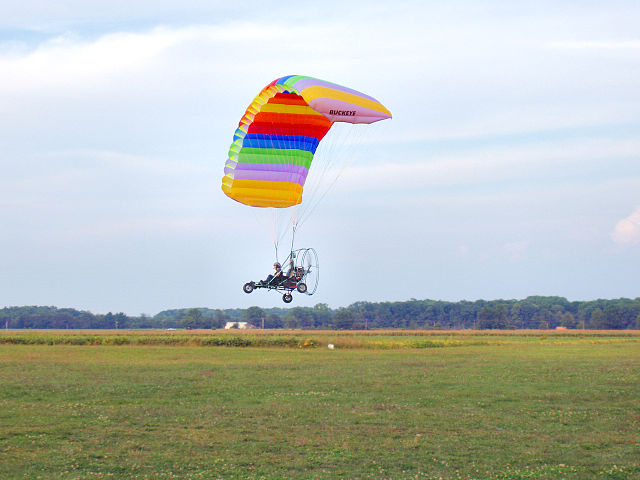
The Spider Aircraft powered parachute is the answer if you want ultralight flying without runway anxiety. Low stall speeds and inherently stable flight make it perfect for both hobbyists and beginners. Unlike fixed-wing ultralights, the Spider Aircraft will allow you to focus on the joy of flight while safely learning the basics.
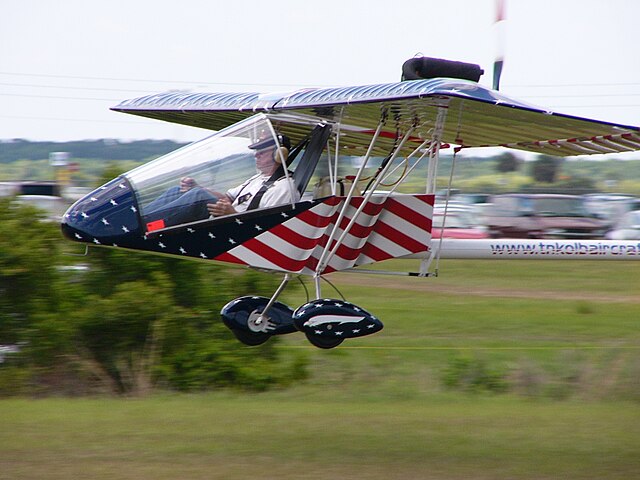
The Kolb Firefly is the quintessential homebuilt ultralight for first-timers. Agile, easy to maintain, and with low stall speeds, it delivers a pure, hands-on flying experience.
If you attend EAA AirVenture or other ultralight events, you will quickly see why this aircraft has earned a reputation as a practical, fun, and dependable choice. Building and flying your own Firefly teaches you more about aircraft systems than any ground school course (and you’ll have more fun doing it.)
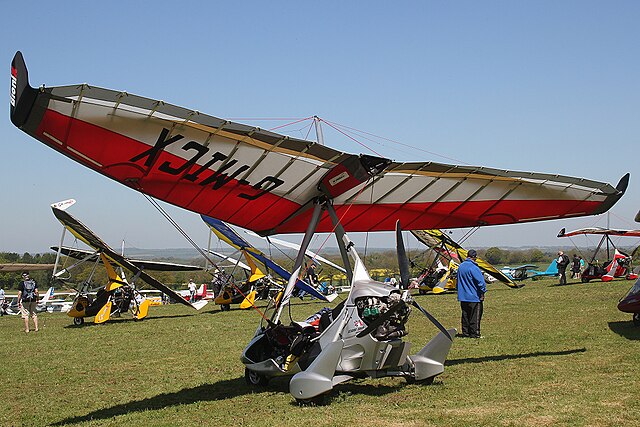
If you’re ready to push past the basics, the Air Creation Tanarg shows just how far an ultralight trike can take you. With responsive handling, comfort, and cross-country capability, it’s ideal if you are looking to advance your weight-shift skills. This isn’t just a starter trike—it’s a platform for learning sophisticated ultralight techniques while still being accessible to newcomers.
Rising costs and limited access to traditional flight training mean many aspiring pilots never get airborne. Ultralights offer an affordable, practical way to log real flight time without a private pilot license or medical exam.
They’re especially valuable in rural or underserved aviation communities, where full-scale flight schools and long runways may be scarce. Under FAA Part 103, ultralights let pilots focus on the essentials: handling an aircraft, building confidence, and enjoying flight. No red tape, just more hours in the air.
Here’s what some in the aviation industry won’t tell you: you don’t need a 10,000-foot runway and complex approach procedures to become a skilled pilot. Sometimes you just need to get up there and fly.
Under FAA Part 103, you can skip the private pilot license, medical exams, and years of expensive training. Ultralights are typically under 254 pounds empty and can launch from small strips or even a clear patch of grass.
That freedom means you spend less time on paperwork and more time building real flight skills. They’re especially valuable for pilots in rural or underserved communities, where access to full-scale flight schools may be limited.
As a recap, flying ultralights means:
Even though you don’t have to train, we strongly recommend logging time with a certified instructor. It’ll boost your confidence, sharpen your skills, and make every flight safer.
Flying an ultralight is closer than you think—here’s how to make it happen:
You don’t have to wait years for your first solo. You can start flying now.
Join The Aviation Co. to swap tips with experienced ultralight pilots, get real-world advice, and stay ahead of what’s next in aviation.
© 2025 aviation.co All rights reserved.