Aeronautics
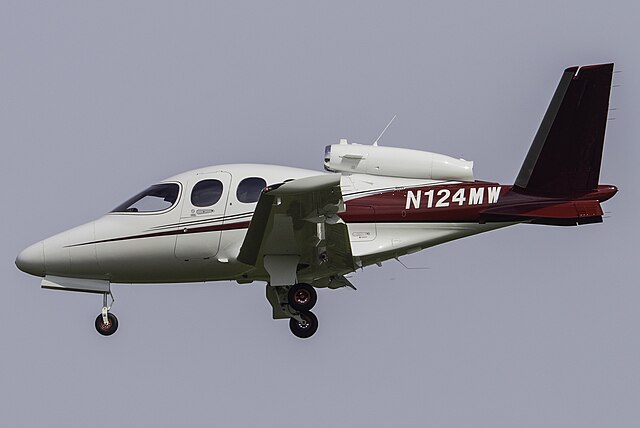
Cirrus Vision Jet: The Private Jet That Proves Safety Matters More Than Speed
5 min read

Love Aviation? Turn your passion into a career. Explore Aviation Maintenance Programs at AIM. Learn More
5 min read
By: Aviation Co.
When most people hear “private jet,” they picture speed, range, and prestige. The Cirrus Vision Jet isn’t chasing any of that. It’s not the fastest. It’s not the sleekest. And yes, critics love to point out it only has one engine.
But what even the critics can’t ignore is that it’s the most safety-focused personal jet in the sky. With Garmin’s Safe Return autoland, intuitive autothrottles, and the iconic Cirrus Airframe Parachute System (CAPS), the SF50 Vision Jet delivers something rare in aviation: peace of mind.
Cirrus didn’t build this jet for pilots who want to flex on ramp speed charts. They built it for people who want to keep flying for years to come, and keep their families flying with them.
The Cirrus Vision Jet is unapologetically different. It’s a single-engine jet with a carbon-fiber fuselage, priced at about $3 million, which is far less than most light jets. With seating for up to seven, this isn’t a corporate hauler. It’s a true personal jet designed for owner-operators.

The new Cirrus Vision Jet G2 model refined that concept even further, adding performance upgrades and Garmin avionics tweaks that made it even more approachable for owner-operators. If you’ve flown the SR series, this is the natural step up. Cirrus knows exactly who they’re building for: pilots who want the feel of a jet without sacrificing accessibility.
One button. That’s all it takes for Garmin’s Safe Return system to take over and navigate, decide the best airport, communicate with ATC, and land the aircraft safely, all on its own.
The Safe Return Autoland system is nothing short of a revolution. For passengers, it’s the difference between panic and survival. For owners, it’s the kind of reassurance that no other jet in this class offers.
Owners know no other jet in this class can say the same. Pair autoland with Garmin autothrottles, which automatically adjust power settings during every phase of flight, and you get automation that truly reduces pilot from takeoff to landing.
Critics might tell you automation makes pilots lazy. We’ll tell you it helps keep them alive.
The Vision Jet didn’t stop with autoland. It also carries the feature that made Cirrus Aircraft a household name: the Cirrus Airframe Parachute System, also known as CAPS.
Pull the handle, and a massive parachute deploys, floating the entire jet safely to the ground. Combined with a carbon-fiber fuselage designed to absorb impact, the CAPS system makes the Vision Jet the only jet where “worst case scenario” doesn’t automatically mean tragedy. While other private jets have speed and range, this one builds survival into the airframe.
If the Vision Jet feels more like an Airbus than a Piper, that’s intentional. Step into the cockpit and you’ll see why some call this the “mini-Airbus.” The cockpit is built around Garmin’s streamlined avionics, which offer situational awareness tools that rival what airline pilots use. Flight path markers, terrain alerts, traffic displays are all baked in.
Add Gogo inflight Wi-Fi and you’ve got a personal jet that feels smarter than many commercial cabins.

These comforts transform this jet from a pilot’s machine to a family hauler that puts nervous and first-time passengers at ease while elevating the overall passenger experience.
Here’s where the Vision Jet takes heat. With a cruise speed of around 300 knots and a max range of 1,200 nautical miles (nm), it’s slower than most light jets and even some turboprops, leading some critics to call it underpowered.
But let’s be honest: what are you really using a personal jet for? Florida to the Bahamas. Chicago to Nashville. LA to Aspen. This isn’t about setting records, it’s about getting your family where you want to go safely.
If you’re doing coast-to-coast trips regularly, this might not be your jet. But if you’re stepping up from the SR series and flying the kind of missions most owner-operators actually fly, the Vision Jet is ideal for your lifestyle.
When it comes to recognition and real-world impact, the Vision Jet has made its mark. It won the Collier Trophy for advancing aviation safety, which is the same award given to the Apollo program and the Boeing 787. Whether you love it or hate it, the industry has recognized the Vision Jet as innovation.
Talk to owners in Florida or the Midwest and you’ll hear the same thing: this isn’t just a jet; it’s freedom. And at EAA AirVenture Oshkosh (the world’s largest aviation gathering), the Vision Jet still draws a crowd, not because it’s the fastest, but because it’s the one pilots can actually see themselves owning.
At the end of the day, the Cirrus SF50 Vision Jet makes a simple argument: living to fly another day matters more than shaving 20 minutes off your trip with a jet solely focused on cruising speed.
It’s a philosophy that sets it apart from the sea of turboprops and light jets competing for attention. And it’s why the Vision Jet is more than just the new Cirrus, it’s the aircraft rewriting the rules for personal aviation.
So before you fixate on speed, remember: getting there safely will always beat getting there first.Is the Vision Jet the future of owner-flown aviation, or just an expensive compromise? Join the discussion on The Aviation Co., a space for aviation lovers, frequent flyers, and pros to connect.
© 2025 aviation.co All rights reserved.