Aeronautics
The 7 Most Iconic Aircraft in Hollywood Movies
5 min read

Love Aviation? Turn your passion into a career. Explore Aviation Maintenance Programs at AIM. Learn More
5 min read
By: Aviation Co.
From death-defying dogfights to romantic farewells on tarmacs, aircraft have soared through cinema history, capturing our imaginations and defining some of Hollywood’s most memorable moments.
Beyond just props, these aircraft are characters in their own right, each telling a story that resonates with audiences long after the credits roll. Here are the most iconic aircraft that have graced the silver screen.
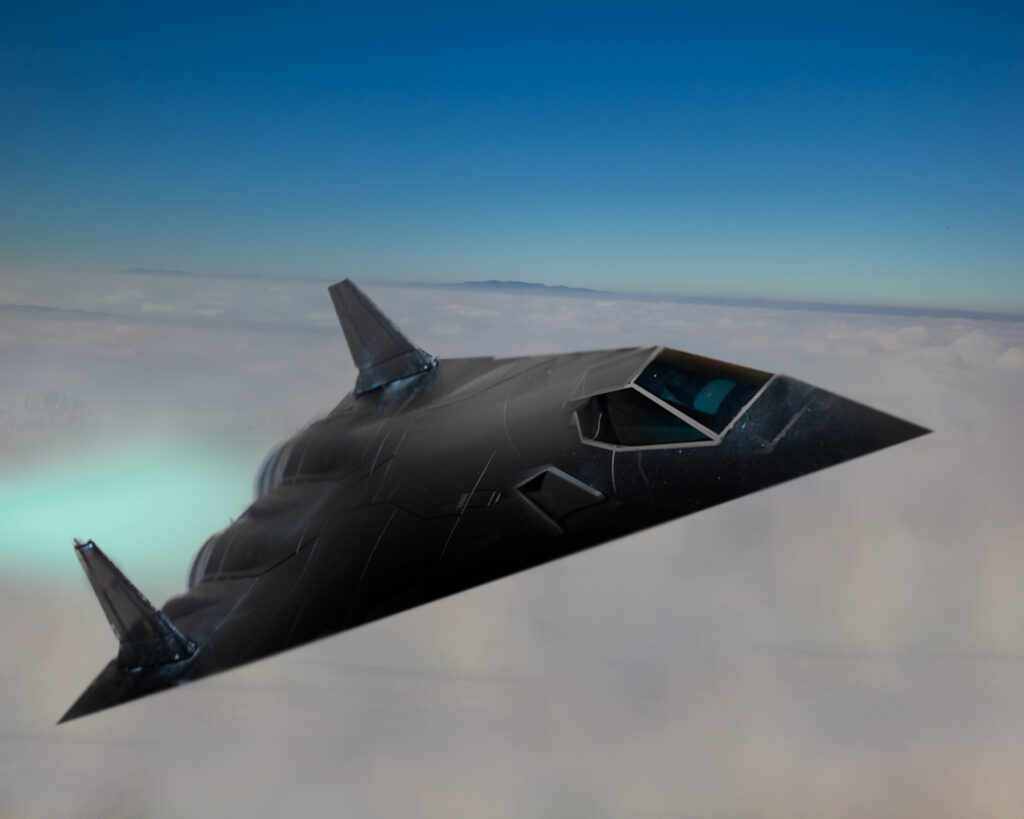
Leading our list is the hypersonic marvel from Top Gun: Maverick. While fictional, the Darkstar represents one of cinema’s most technically ambitious aircraft designs. Created in consultation with Lockheed Martin’s Skunk Works, the same team behind the legendary SR-71 Blackbird, this sleek hypersonic jet pushes past Mach 10 in the film’s opening sequence.
The Darkstar’s design draws inspiration from the real-world SR-72 project, reportedly under development as the “Son of Blackbird.” With its razor-sharp geometry and low-observable surfaces, the aircraft symbolizes the cutting edge of aerospace innovation. Beyond its stunning visual impact, the Darkstar sparked genuine curiosity about hypersonic flight technology, blurring the lines between Hollywood spectacle and real engineering possibilities.
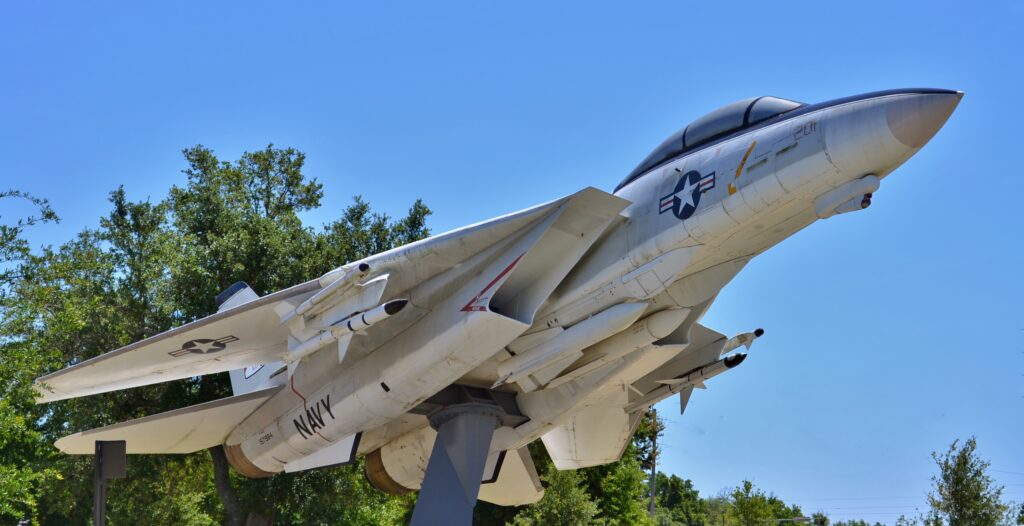
Speaking of Top Gun, the original Top Gun introduced audiences to the iconic F-14 Tomcat, the twin-engine fighter that became synonymous with 1980s aviation cinema. With its variable-sweep wings and twin tails, the Tomcat delivered spectacular close-up flight sequences that set the standard for aerial cinematography.
Though retired from U.S. Navy service, the F-14 remains one of the most recognizable military aircraft in popular culture, its distinctive silhouette instantly evoking memories of Maverick and Goose’s high-flying adventures.
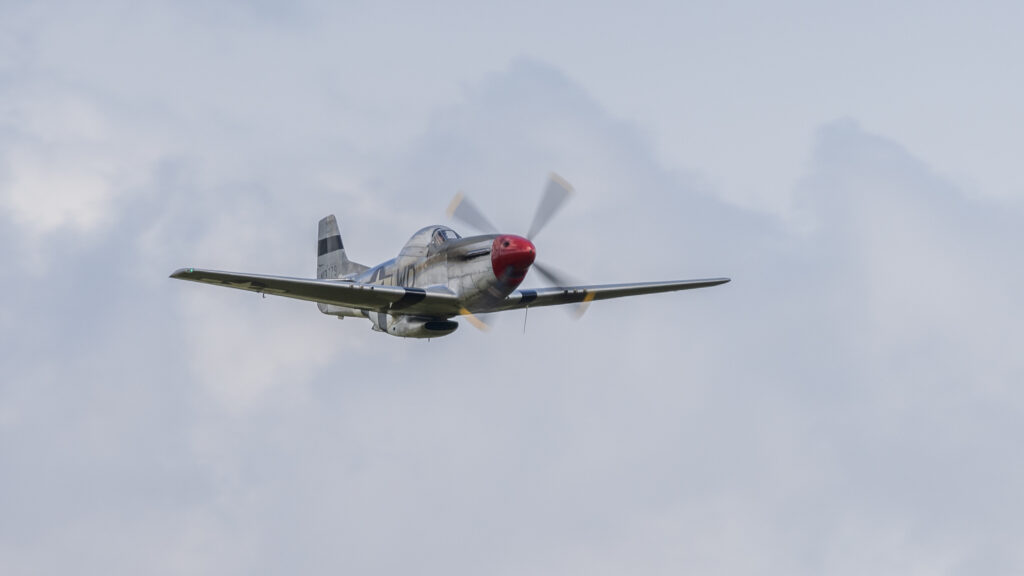
Alfred Hitchcock’s masterpiece North by Northwest features one of cinema’s most suspenseful aviation sequences. The modified P-51 Mustang, disguised as a crop duster, pursues Cary Grant across an empty cornfield in a scene that redefined cinematic tension. The sequence’s genius lies in its restraint — no dramatic dogfight or explosive action, just a man running from an aircraft in broad daylight. The sound design and visual composition created a template for aviation suspense that filmmakers still reference today.
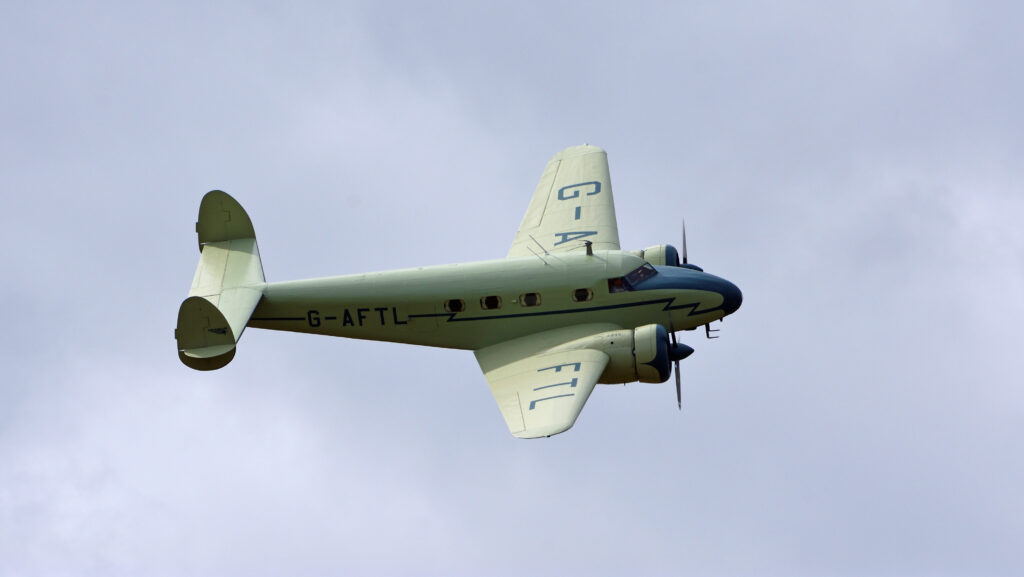
The departure scene in Casablanca, featuring a Lockheed Model 12 Electra Junior, established the airplane as a symbol of escape and new beginnings. This twin-engine transport aircraft serves as the backdrop for one of cinema’s most famous farewells, as Rick and Ilsa part ways on the foggy tarmac. The scene’s emotional weight transformed the aircraft from mere transportation into a vessel of destiny, influencing countless romantic departures in films that followed.
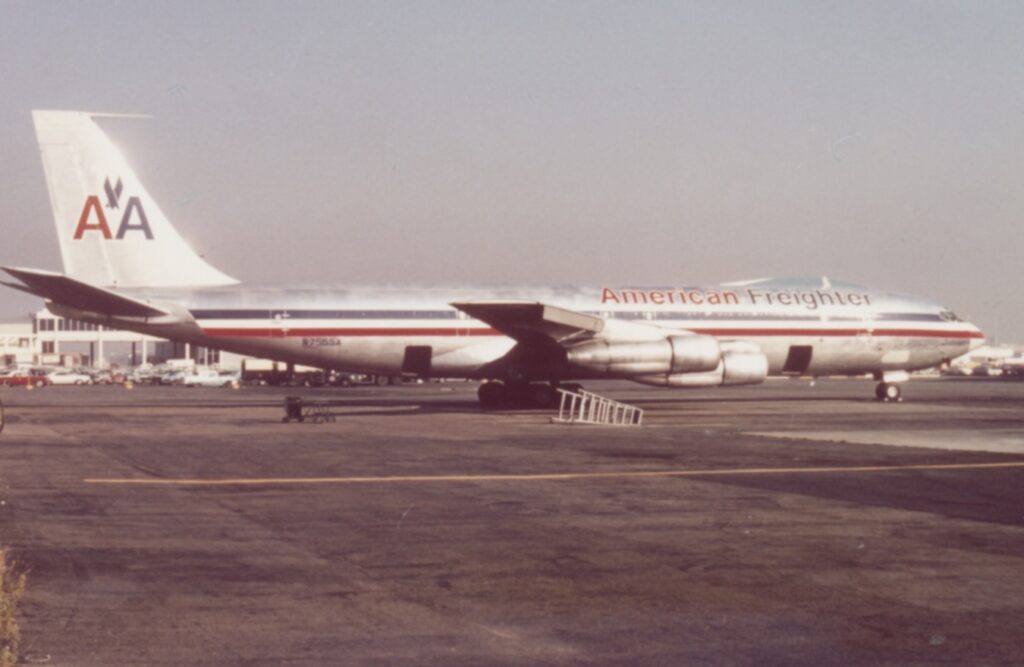
The Boeing 707 in Airplane! may be best known for comedy rather than drama, but its cultural impact is undeniable. This four-engine jetliner became the perfect straight man to the film’s relentless absurdity, its serious commercial aviation aesthetic contrasting brilliantly with the slapstick mayhem unfolding inside. The film satirized the golden age of air travel while simultaneously cementing the 707’s place in pop culture history.
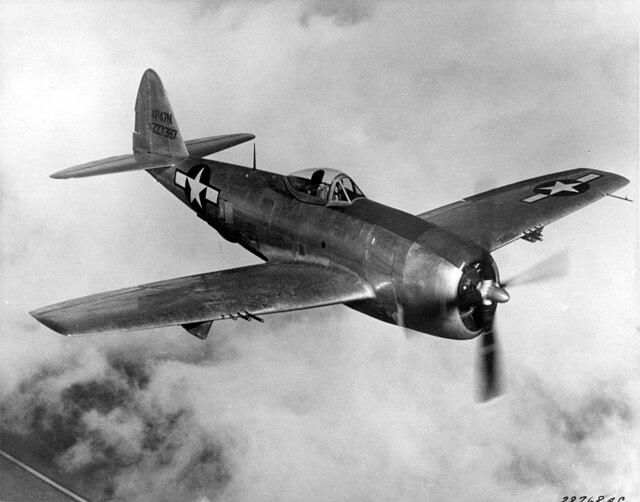
Republic P-47N Thunderbolt, Thunderbolt flew its first combat mission–a sweep over Western Europe. Used as both a high-altitude escort fighter and a low-level fighter-bomber, the P-47 quickly gained a reputation for ruggedness. Its sturdy construction and air-cooled radial engine enabled the Thunderbolt to absorb severe battle damage and keep flying.
The opening chase sequence of Temple of Doom features a Republic P-47 Thunderbolt in one of cinema’s most memorable escape scenes. As Indiana Jones flees through the Himalayan jungle, the World War II fighter aircraft becomes both predator and setting for spectacular stunt work. The scene established a template for adventure films, showing how aircraft could serve as both threat and dazzling backdrop for action sequences.
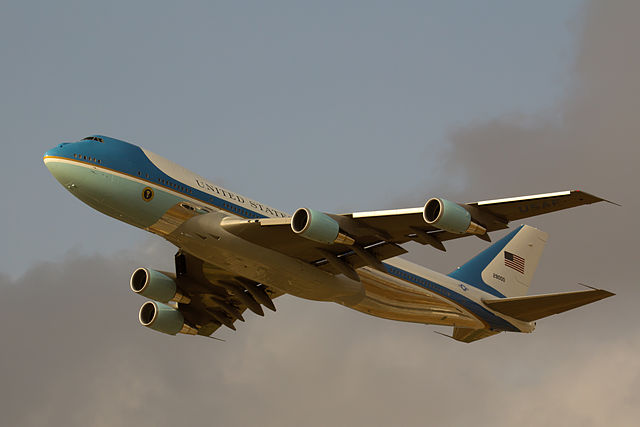
The presidential aircraft in Air Force One elevated a real-world plane to action hero status. While the actual Air Force One consists of two heavily modified Boeing 747-200Bs, the film’s dramatic portrayal of the VC-25A as an airborne fortress captured public imagination. Harrison Ford’s famous declaration, “Get off my plane!” became an instant classic, while the aircraft itself became a symbol of American power and resilience.
These iconic aircraft serve not just as symbols on screen, but as catalysts for aviation careers. The Top Gun franchise has historically driven Navy recruitment spikes, while films like The Aviator have inspired aerospace engineers, and Air Force One has motivated careers in government aviation.
For many aviation professionals, their first spark of interest came from watching these magnificent machines on screen. Whether you’re an aerospace engineer working on the next generation of hypersonic aircraft, a pilot flying commercial routes, or a maintenance technician keeping fleets airworthy, chances are a Hollywood aircraft moment played a role in your career journey.
As aviation technology advances toward hypersonic flight and beyond, Hollywood will find new ways to capture our imagination. The next generation of iconic aircraft may be just one film away, ready to inspire tomorrow’s aviation professionals and continue the cycle that transforms movie magic into real-world careers.
Whether you fly, fix, design, or just dream about aircraft, The Aviation Co. is where the aviation-obsessed gather. Join our community to connect with others who live and breathe flight, explore real-world stories from across the industry, and be part of the conversation shaping aviation’s future.
© 2025 aviation.co All rights reserved.