Aeronautics
Cessna 140: The Classic Taildragger That Made Flying Accessible
4 min read

4 min read
By: The Aviation Co
Nearly eight decades after it first took to the skies, the Cessna 140, a nimble two-seat taildragger, remains one of general aviation’s most enduring and beloved aircraft.
When it debuted in 1946, Cessna’s goal was straightforward: build an affordable, dependable airplane for returning World War II pilots eager to keep flying. The result? A simple, reliable, and fun-to-fly aircraft that still sets a standard for tailwheel training today.
Here’s how a modest single-engine taildragger became a cornerstone of personal aviation, and why pilots still swear by it.
After World War II, thousands of trained pilots were back home and itching to fly again. Cessna answered that call with the Cessna 120 and the Cessna 140: two all-metal aircraft that made private ownership attainable for the first time.
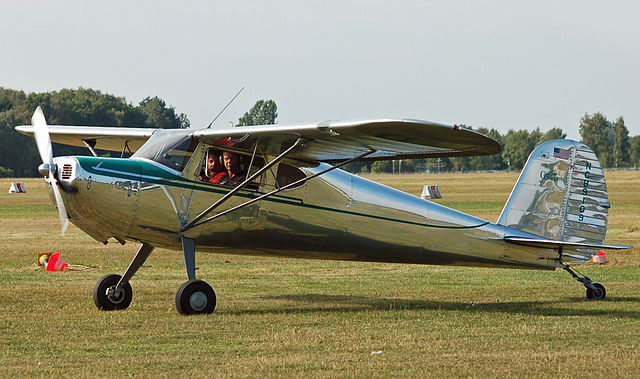
The 140 distinguished itself with thoughtful refinements, including side windows, an electrical system, and polished metal wings supported by a single wing strut on each side. Its Continental C-85 engine, producing around 85 horsepower, delivered a cruise speed near 105 mph and a rate of climb of 670 feet per minute. The aircraft was far from a speed demon, but perfectly suited for pilots learning coordination and control surfaces management.
Its conventional landing gear and fabric wings demanded attention during takeoff and landing, especially in crosswind conditions. But that was the point: the 140 wasn’t just about getting off the ground. It was about learning to fly right.
Ask anyone who trained in a Cessna 140, and they’ll call it a “pilot’s airplane.” The tailwheel configuration requires finesse, but it rewards precision. Every aileron input, every adjustment to the landing gear, teaches you skills modern trainers gloss over.
With a light empty weight of around 890 pounds and a useful load of 500 pounds, it comfortably carried two people and full fuel. Its metal fuselage, simple systems, and forgiving stall speed made it a reliable trainer long before the Cessna 150 dominated flight schools. Even today, taildragger enthusiasts value the 140 for fuel burn efficiency, ease of maintenance, and affordability. Parts are available via STC upgrades, and its rugged landing gear keeps it flying in hangars across the country.
In 1949, Cessna introduced the 140A, which came with all-metal wings, redesigned ailerons, and smoother control surfaces. These changes made it more aerodynamic and polished, paving the way for what would become the Cessna 150.
Still, many pilots favor the original 140. Its fabric wings, simple mechanics, and light weight make every flight a hands-on experience. The airplane responds directly to your inputs, giving a connection to the air that most modern trainers can’t match.
The Cessna 140 might not be rare, but it’s revered. Thousands still fly the aircraft and it is often lovingly restored in hangars nationwide. Its design spans eras: from fabric wings to metal fuselage, from stick-and-rudder VFR (Visual Flight Rules) flying to the dawn of modern IFR (Instrument Flight Rules) training.
It’s approachable for new pilots yet rewarding for seasoned aviators, offering a connection to the air that modern trainers rarely replicate. When a 140 taxis across the ramp, it draws the eye, not just for its lines and design, but for what it represents: a no-nonsense approach to learning, a love for flying, and a piece of aviation history that remains vital more than 80 years after its first flight. That’s why the 140 endures as a cornerstone of general aviation.
In an age of glass cockpits and automation, the Cessna 140 reminds pilots that flying doesn’t need to be complicated to be rewarding. It’s a teacher, a time capsule, and proof that good design outlasts trends.
For thousands, it was their first airplane, and for many, the one they’ll never forget. The Cessna 140 made flying accessible, and decades later, it proves that simple can still be extraordinary.
What do you think: Does the Cessna 140 still set the standard for simple flying, or has its legacy been outpaced by modern trainers? Dive into discussions like this on The Aviation Co., a space for aviation lovers, frequent flyers, and pros to connect.
© 2025 aviation.co All rights reserved.