Industry
The 9 Best Airlines to Fly in 2025: Leaders in Safety, Innovation, and Reliability
6 min read

Love Aviation? Turn your passion into a career. Explore Aviation Maintenance Programs at AIM. Learn More
6 min read
By: The Aviation Co
The airline industry is evolving faster than ever. New aircraft technology, digital transformation, and shifting operational standards are reshaping how carriers compete and succeed. The best airlines to fly in 2025 go beyond passenger comfort to lead with safety, strong workforce investment, and an emphasis on innovation and training.
These rankings draw from performance data, fleet modernization, and real-world reliability across U.S. and international carriers. From North American operators advancing sustainability and workforce development to global carriers redefining long-haul performance, these are the airlines setting new benchmarks for efficiency, innovation, and leadership across the aviation ecosystem.

Singapore Airlines continues to define global excellence in air travel. Beyond its exceptional first class suites and polished flight attendants, the airline sets a gold standard for operational consistency through discipline, innovation, and precision at scale. Investments in Airbus A350s and Boeing 777 and 787 fleets, fuel efficiency programs, and elite training for pilots and crew reinforce its leadership.
Whether managing transpacific or regional operations, the airline’s focus on precision scheduling, fleet utilization, and process optimization positions it as a model for efficiency and strategic innovation in international aviation.
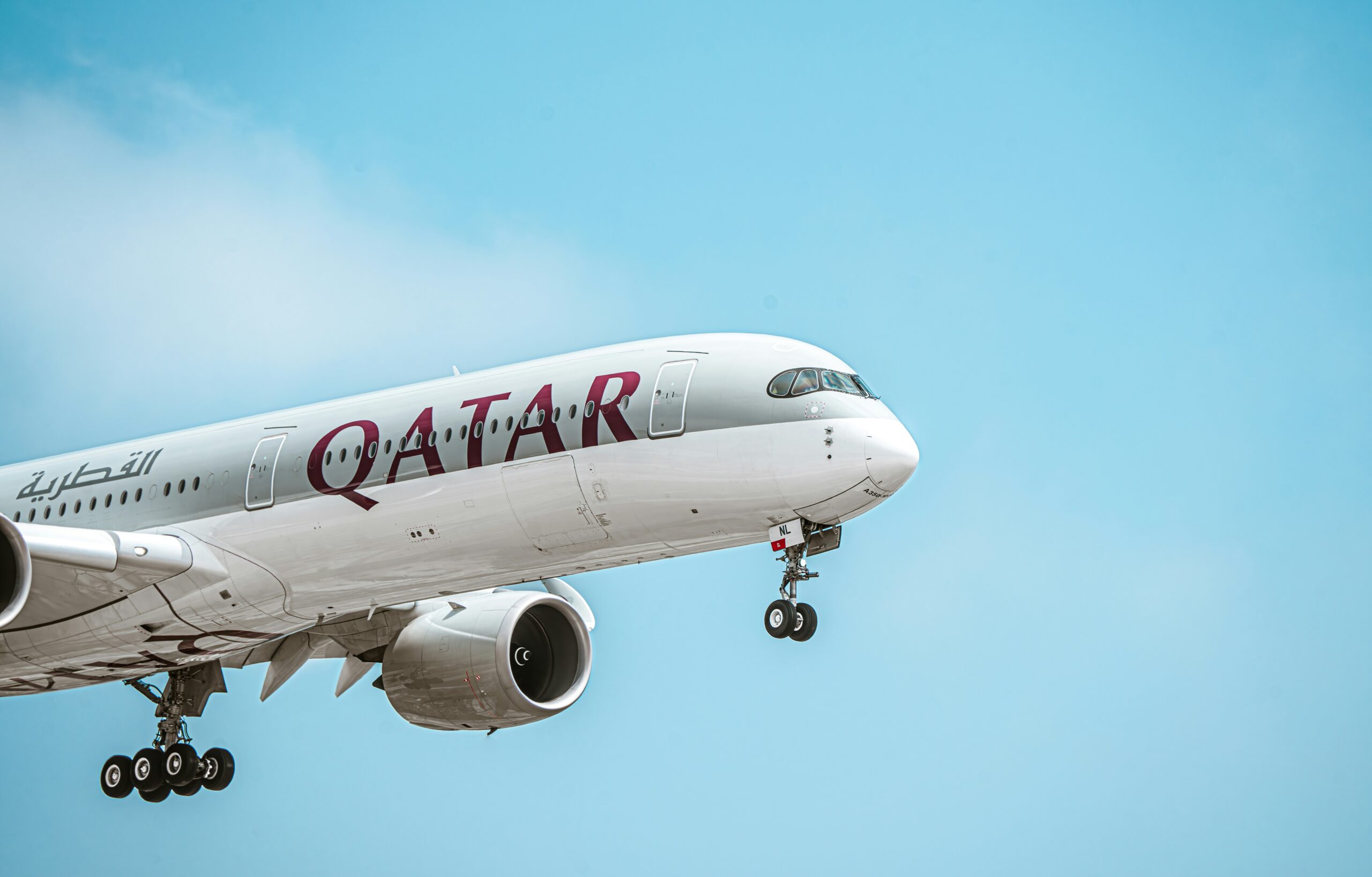
Qatar Airways continues to set global benchmarks for operational precision and strategic growth. Its fleet of over 200 aircraft, including 120 Airbus A350s and 60 Boeing 787s, supports a network spanning more than 150 international destinations with consistently strong on-time performance. The airline’s advanced Qsuite business class demonstrates product innovation without compromising operational efficiency.
Beyond the cabin, Qatar invests in digital flight operations systems and rigorous pilot and maintenance training programs. Through these measures and its integration in the oneworld Alliance, Qatar Airways exemplifies how disciplined fleet management and network strategy drive global aviation leadership.
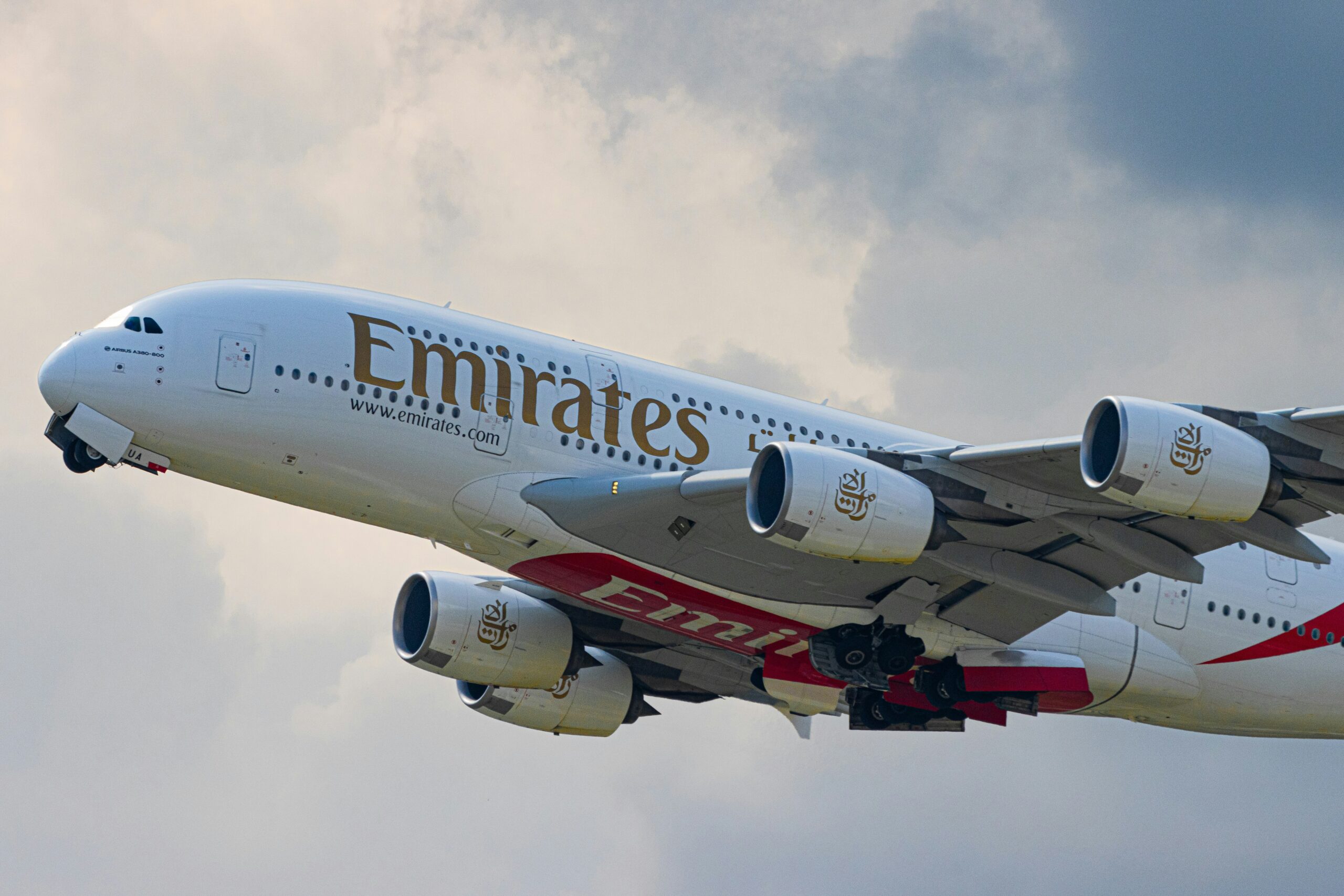
Emirates’ global reach is supported by one of the most efficient operational systems in the industry. Operating from its Dubai hub, the airline serves over 160 destinations across six continents, including extensive long-haul and transatlantic networks. Its fleet of 150+ Airbus A380s and 120 Boeing 777s is among the youngest and most standardized in the industry, supporting high aircraft utilization and route flexibility.
Emirates invests heavily in digital operations systems, predictive maintenance, and advanced crew training programs, ensuring consistent on-time performance and operational reliability. By combining scale, technology, and disciplined fleet management, Emirates demonstrates how a major carrier can maintain excellence across a vast, complex global network

Among U.S. airlines, Delta Air Lines is widely recognized for operational reliability and culture. Its Delta One suites and comprehensive training academies highlight a commitment to both employee development and passenger experience. Operating hubs in Atlanta, Los Angeles, and New York (JFK), Delta connects domestic and long-haul markets efficiently, with consistent on-time performance and streamlined check-in systems. Delta’s approach highlights how innovation and a skilled workforce can sustain leadership in a highly complex aviation network.
As one of the largest carriers globally, American Airlines operates as a complex ecosystem of aviation expertise and operational scale. From maintenance apprenticeships to technology partnerships that streamline check-in and in-flight systems, its influence extends well beyond passenger service.
Fleet modernization across Boeing and Airbus aircraft, coupled with enhanced operational protocols and data-driven scheduling, reflects a long-term commitment to efficiency, reliability, and workforce development. Through strategic network planning and investment in employee training, American demonstrates how a legacy carrier can evolve while maintaining consistent operational performance.

United Airlines has strengthened its operations through fleet modernization and strategic network optimization. Its fleet includes over 800 aircraft, including 60 Boeing 787 Dreamliners and 50 Airbus A350s, supporting a network of over 350 destinations across North America, Latin America, Europe, and Asia. Upgraded maintenance protocols, predictive analytics for aircraft performance, and enhanced crew training programs have improved both reliability and on-time performance.
United’s hubs in Chicago, Houston, Newark, Denver, and San Francisco enable optimized aircraft utilization and streamlined connections across domestic and international routes. The airline has also implemented digital check-in systems, crew scheduling software, and loyalty program integration.
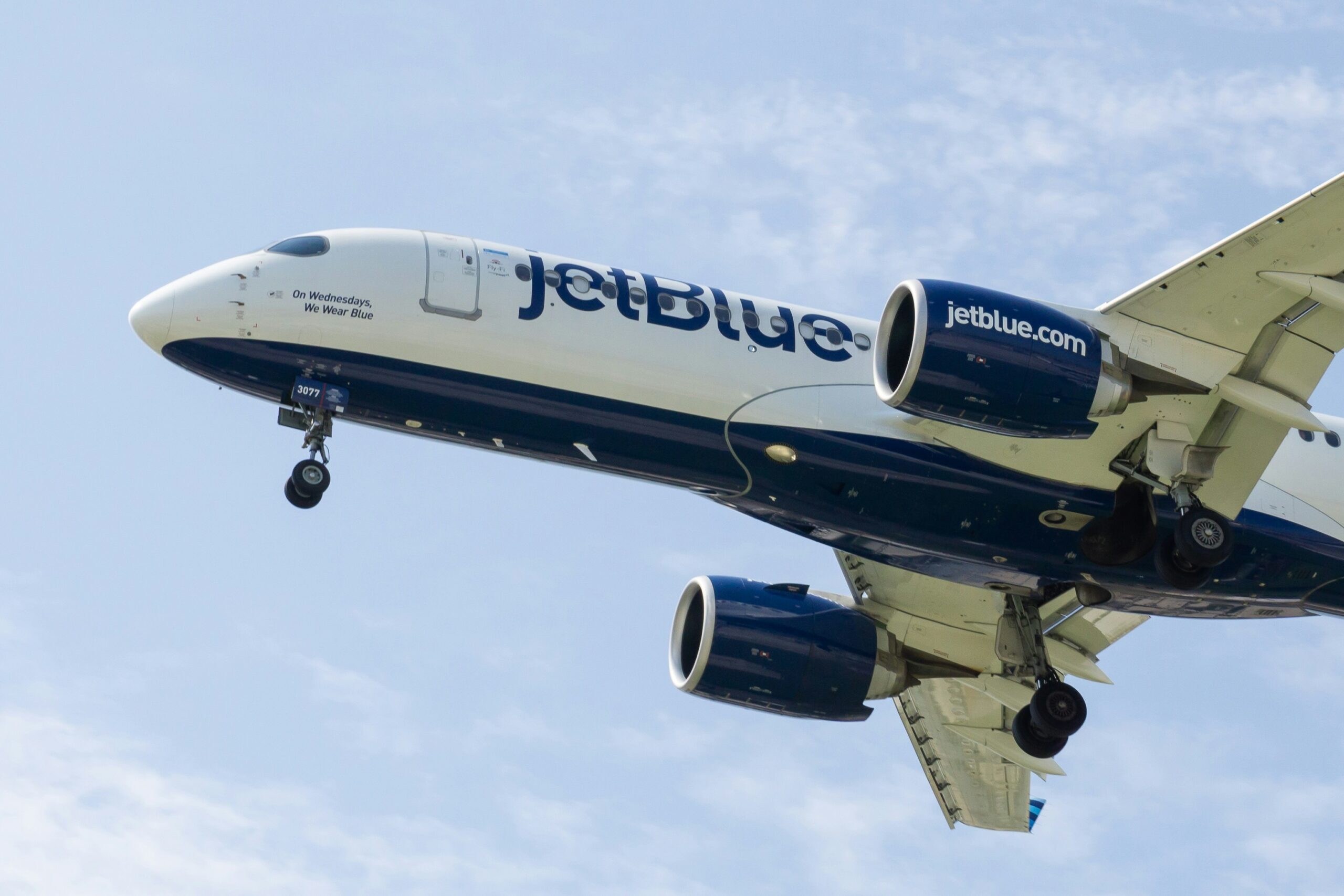
JetBlue may not match legacy carriers in size, but it continues to punch above its weight through innovation and execution. Headquartered in New York and Boston, the airline’s expansion into transatlantic markets demonstrates how a mid-sized carrier can compete globally through operational efficiency and smart product design.
Its Mint business class redefined narrow-body premium service, while fleet standardization with Airbus A220s and A321neos supports fuel efficiency and consistent performance. For the industry, JetBlue remains a case study in how culture, adaptability, and design-led thinking can drive disruption without scale.
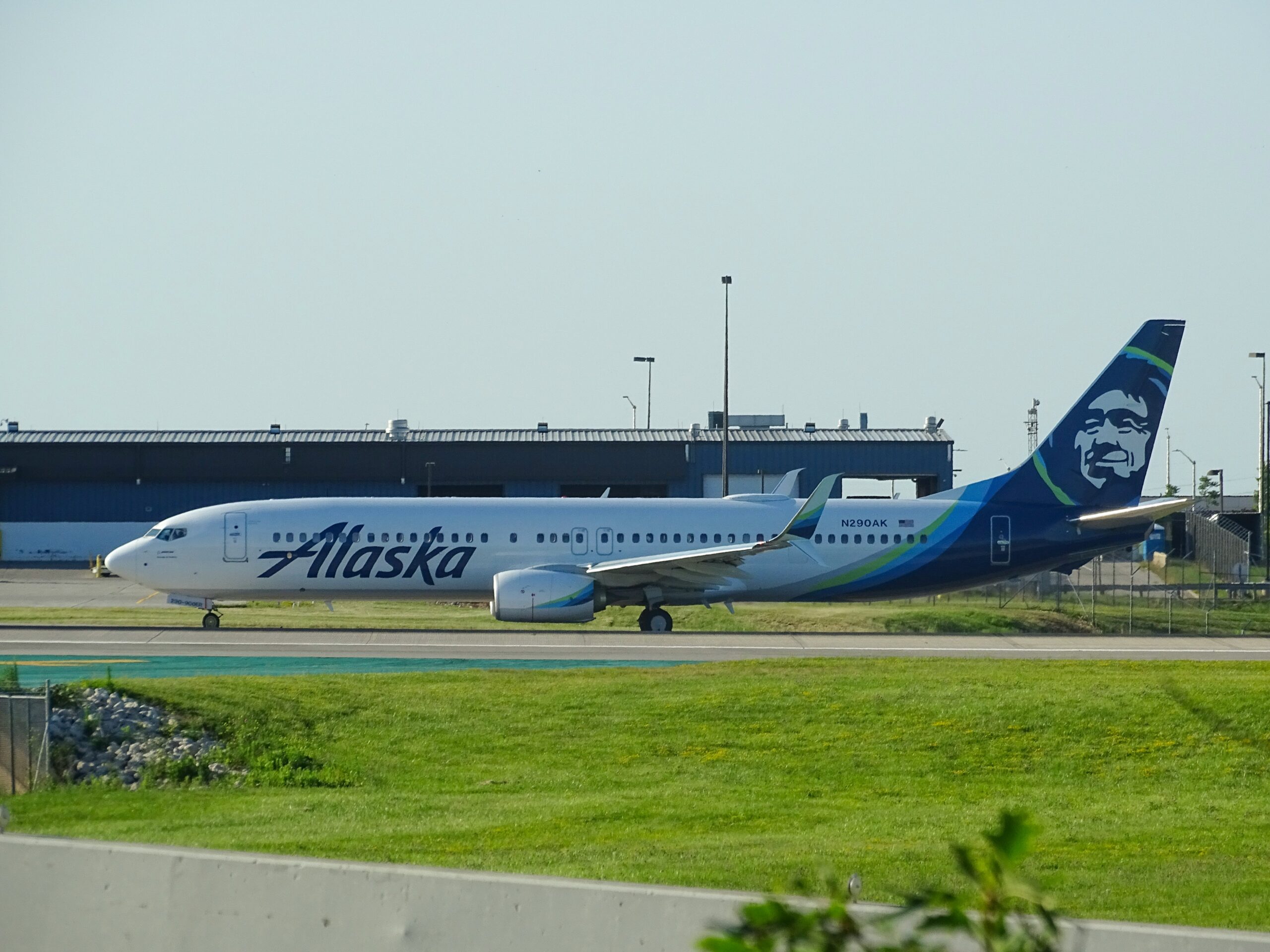
From Seattle to Los Angeles, Alaska Airlines has earned industry-wide respect for reliability, culture, and operational discipline. The carrier consistently ranks among the top U.S. airlines for on-time performance and customer satisfaction, thanks to precise scheduling, efficient turnaround processes, and strong ground operations. Fleet modernization efforts (centered on transitioning to an all-Boeing 737 MAX lineup) underscore its focus on fuel efficiency, standardization, and long-term sustainability.
Alaska’s integration with The Oneworld Alliance also expands its global reach while maintaining its signature regional agility.

Air France rounds out the list as a legacy carrier successfully balancing heritage with modernization. Recent investments in Airbus A350s and next-generation cabin retrofits reflect a broader strategy of operational renewal and sustainability. The airline’s emphasis on technical precision, pilot training, and maintenance excellence has strengthened reliability across its long-haul network.
Through its integration within the Air France–KLM Group, the carrier continues to advance digital transformation initiatives and fleet efficiency programs, positioning itself as a model for how established European operators can evolve in a competitive global market.
Each of these airlines plays a key role in shaping the future of air travel. Whether it’s American Airlines reimagining its digital systems or Singapore Airlines redefining premium service standards, these carriers are setting new expectations for what aviation excellence looks like today.
The best airlines go beyond just serving passengers to define the benchmark for reliability, innovation, and operational excellence across the industry.Which carrier do you think sets the standard for aviation excellence today, and why? Join the conversation on the Aviation Co. to connect with professionals, explore careers, and stay ahead.
© 2025 aviation.co All rights reserved.